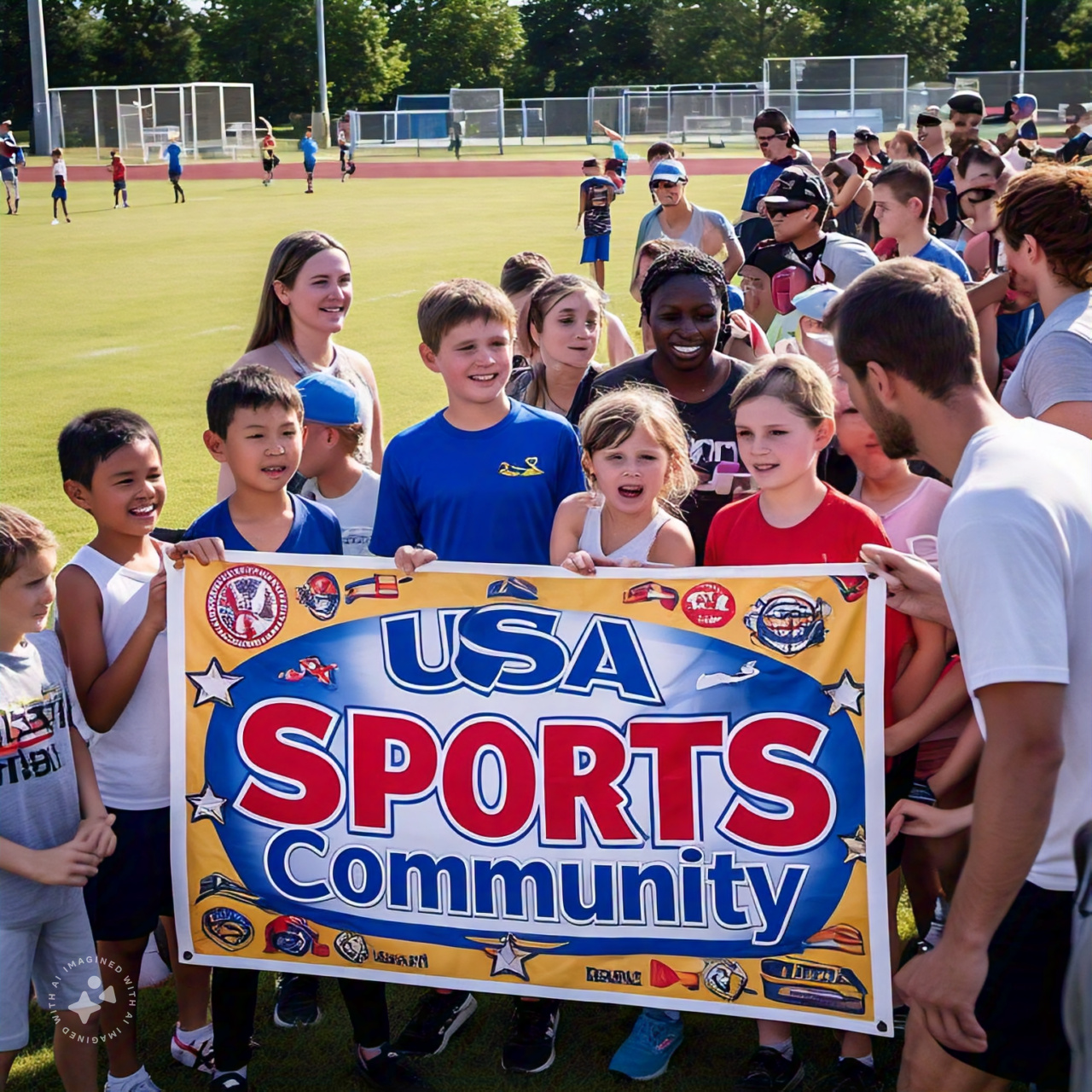
The USA Sports Community encompasses a diverse range of athletes, fans, organizations, and events that contribute to the vibrant sports culture in the country. Here's an overview of the key elements that define this community:
1. Major Professional Sports Leagues
The core of the U.S. sports community is built around its major professional leagues:
- NFL (National Football League): American football's flagship league with events like the Super Bowl.
- NBA (National Basketball Association): A global leader in basketball entertainment.
- MLB (Major League Baseball): Known as "America’s pastime."
- NHL (National Hockey League): Popular in regions with colder climates.
- MLS (Major League Soccer): A growing community of soccer fans and athletes.
2. Collegiate Sports
- NCAA (National Collegiate Athletic Association) organizes college-level competitions in multiple sports, including football, basketball, and track & field.
- March Madness: The NCAA basketball tournament is a massive cultural event.
- College Football Rivalries: Games like Michigan vs. Ohio State draw millions of fans.
3. Local and Grassroots Sports
- Youth Leagues: Little League Baseball, Pop Warner football, and youth soccer clubs.
- High School Sports: Communities rally around high school football, basketball, and track meets.
- Amateur Athletic Organizations: Groups like AAU (Amateur Athletic Union) nurture young talent.
4. Esports and Gaming Communities
- Competitive gaming is growing rapidly, with leagues like the Overwatch League, Call of Duty League, and Valorant tournaments attracting large audiences.
- Platforms like Twitch and YouTube Gaming foster online sports communities.
5. Recreational Sports
- Americans actively participate in recreational sports such as golf, tennis, and running.
- Parks and recreation programs offer leagues and facilities for sports like basketball, soccer, and pickleball.
6. Fan Communities
- Tailgating Culture: Pre-game gatherings, particularly for football, bring fans together for food, games, and camaraderie.
- Fantasy Sports: Platforms like ESPN Fantasy and DraftKings have created virtual communities where fans compete and engage.
- Social Media: Fans interact on platforms like Twitter, Reddit, and TikTok to share highlights, memes, and opinions.
7. Diversity and Inclusion
- Women’s Sports: Leagues like the WNBA and NWSL (National Women’s Soccer League) have growing fan bases.
- Adaptive Sports: Organizations like Paralympic USA and Special Olympics promote inclusivity.
- Cultural Representation: Sports like soccer and basketball attract fans from diverse ethnic backgrounds, contributing to a multicultural fan base.
8. Sports Media and Coverage
- ESPN, Fox Sports, NBC Sports: Major networks covering live events, analysis, and highlights.
- Podcasts and Blogs: Independent voices like “The Bill Simmons Podcast” and niche blogs cater to specific fan interests.
- Streaming Platforms: Services like ESPN+, DAZN, and YouTube TV make sports accessible anywhere.
9. Iconic Events and Venues
- Events:
- Super Bowl (NFL)
- World Series (MLB)
- NBA Finals
- Stanley Cup Finals (NHL)
- US Open (Tennis and Golf)
- Venues:
- Madison Square Garden, New York
- Lambeau Field, Wisconsin
- Staples Center (now Crypto.com Arena), Los Angeles
10. USA’s Role in Global Sports
- Olympics: The U.S. consistently ranks among the top nations in medal counts.
- Soccer: Hosting the FIFA World Cup in 2026 will strengthen soccer's popularity.
- International Competitions: The NBA and MLB attract global players and fans, bridging international communities.
Community Engagement
- Charities and Outreach: Programs like NFL's "Play 60" encourage youth participation in sports.
- Sports Clubs: Local fan clubs and meetups strengthen connections among enthusiasts.
- Volunteerism: Events like marathons and tournaments rely on community volunteers.