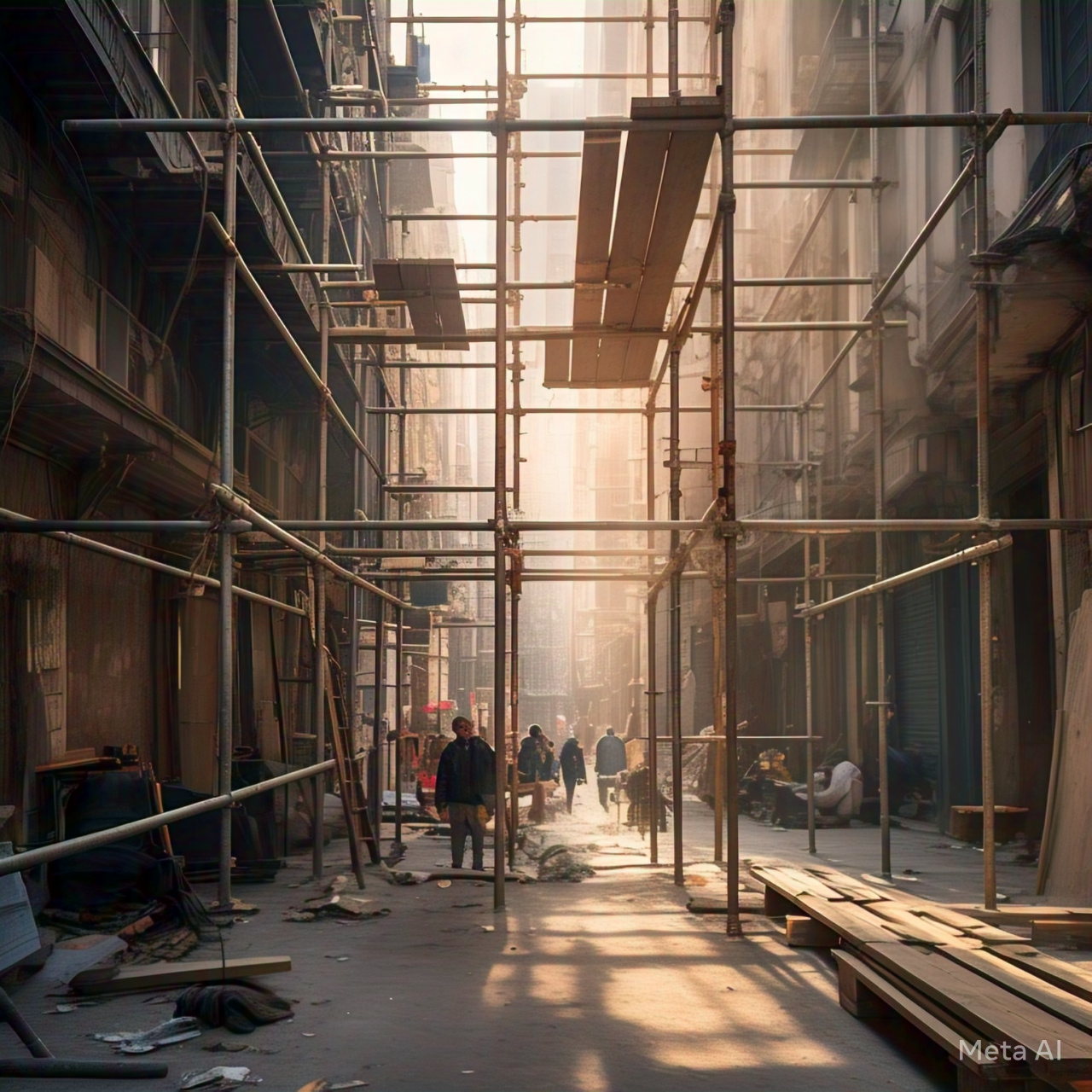
Scaffolding: Overview and Key Information Scaffolding is a temporary structure used in construction and maintenance to support workers and materials. It provides safe access to hard-to-reach areas of a building or structure during construction, repairs, or cleaning. Scaffolding ensures safety, efficiency, and stability for workers operating at heights. 1. Types of Scaffolding 1.1. Based on Structure: Tube and Coupler Scaffolding: Consists of steel or aluminum tubes connected by couplers. Flexible and versatile for irregular or complex shapes. Frame Scaffolding: Pre-fabricated steel or aluminum frames that are easy to assemble and disassemble. Common for residential and commercial construction. Suspended Scaffolding: Platforms suspended by ropes or chains from a roof or other high structure. Used for tasks like window cleaning or painting tall buildings. Cantilever Scaffolding: Supported by needles projecting from a wall. Used when the ground is unsuitable for base support. Mobile Scaffolding: Mounted on wheels, allowing movement without dismantling. Common for indoor work and maintenance projects. System Scaffolding: Modular design with prefabricated components like standards, ledgers, and transoms. Examples: Cuplock, Kwikstage, or Haki scaffolding systems. 1.2. Based on Material: Steel Scaffolding: Durable, strong, and resistant to fire. Ideal for large projects and heavy loads. Aluminum Scaffolding: Lightweight and corrosion-resistant. Suitable for light-duty tasks and quick assembly. Wooden or Bamboo Scaffolding: Common in traditional or smaller-scale construction. Still widely used in some regions for its cost-effectiveness. Fiberglass Scaffolding: Non-conductive and lightweight. Ideal for projects near electrical installations. 2. Key Components of Scaffolding Standards (Verticals): Vertical tubes supporting the load. Ledgers (Horizontals): Horizontal tubes connecting standards. Transoms: Horizontal cross sections for platform support. Base Plate/Jack: Distributes the load to the ground. Planks/Decks: Platforms for workers and materials. Couplers/Clamps: Connect and secure scaffolding components. Guardrails and Toe Boards: Provide safety and prevent falls. Braces: Diagonal tubes to ensure stability. 3. Applications of Scaffolding Construction: For erecting or repairing buildings and bridges. Industrial Maintenance: Accessing machinery, tanks, or pipelines. Painting and Cleaning: Reaching high walls, ceilings, or glass exteriors. Event Stages: Supporting lighting, sound equipment, and decorative setups. 4. Safety Standards and Guidelines Load Capacity: Ensure the scaffolding can bear the intended weight, including workers, tools, and materials. Erection and Inspection: Scaffolding should be assembled by trained personnel. Inspect daily for damage, stability, or loose connections. Use of PPE: Workers must wear hard hats, harnesses, and safety shoes. Guardrails and Barriers: Mandatory on all platforms to prevent falls. Weather Conditions: Avoid use during high winds, storms, or heavy rain. Compliance: Adhere to local regulations like OSHA (Occupational Safety and Health Administration) standards. 5. Advantages of Scaffolding Ensures worker safety at heights. Speeds up construction and repair processes. Provides a stable and secure platform. Adaptable for various projects and structures. 6. Modern Scaffolding Innovations Scaffolding with Hoists: Integrated lifting systems for materials. Self-Climbing Scaffolding: Powered systems that climb as construction progresses. Digital Scaffolding Design: 3D software for planning scaffolding structures.