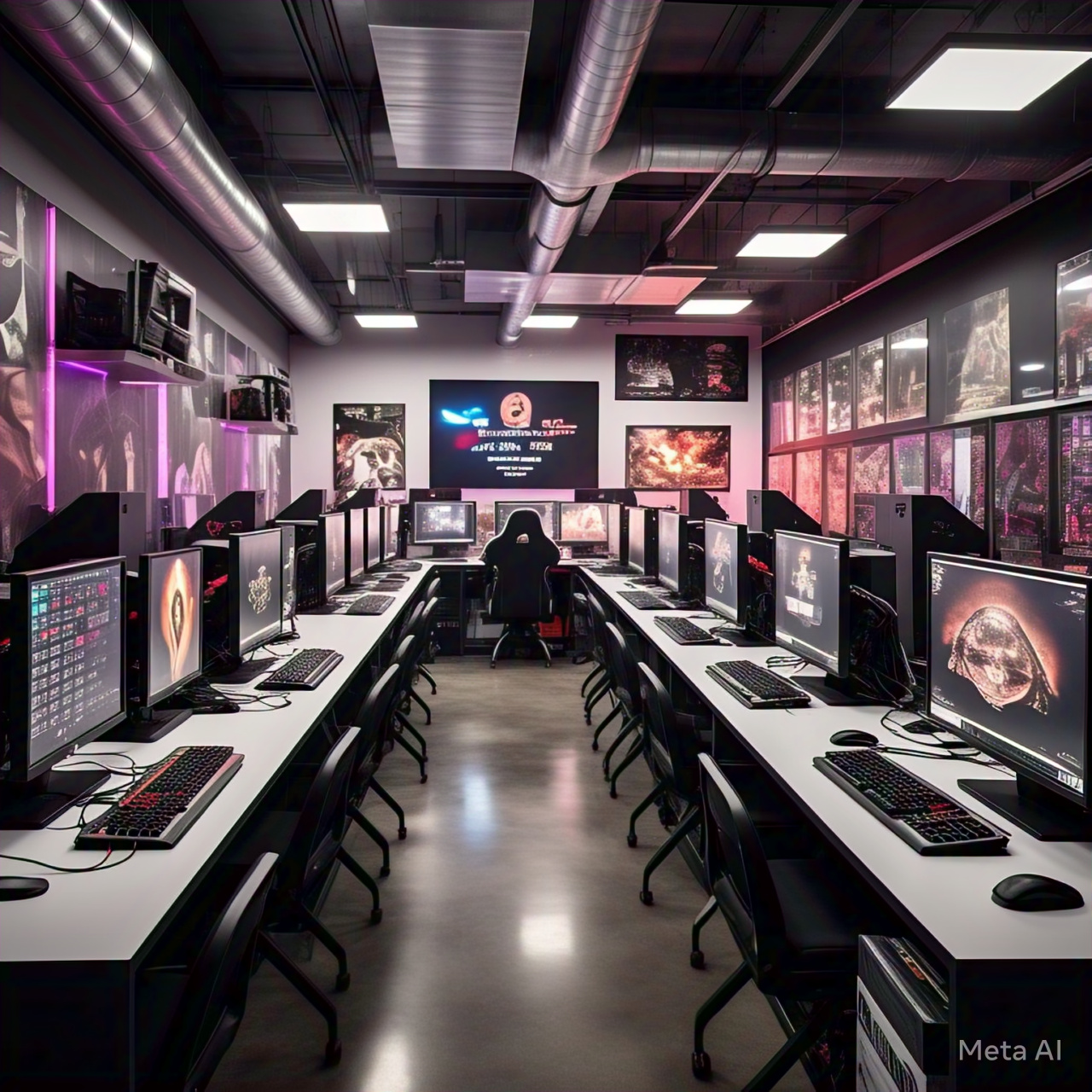
1. Definition of a Gaming Business Hub
A Gaming Business Hub is a collaborative environment designed to support and promote the growth of businesses in the gaming industry. This can be a physical space, a virtual platform, or a community-driven ecosystem where companies, startups, and professionals from various sectors of the gaming world come together to share resources, ideas, and expertise.
2. Key Components of a Gaming Business Hub
- Networking Opportunities: Provides a platform for gaming companies to connect with industry professionals, investors, and partners. Events like meetups, conferences, and seminars are common.
- Business Services: Offers critical business services such as legal advice, marketing strategies, financial planning, and project management support.
- Collaboration Spaces: Physical or digital spaces where game developers, publishers, and creators can work together on projects. These spaces might be equipped with the latest gaming technology and tools.
- Talent Development: Hubs often facilitate training, workshops, and mentorship programs aimed at developing the next generation of gaming professionals.
3. Benefits for Gaming Startups and Entrepreneurs
- Access to Resources: Startups can access resources that may be difficult to obtain independently, such as high-end technology, research, and funding.
- Reduced Operating Costs: Shared workspaces and collective resources help reduce overhead costs for new businesses. Many hubs offer affordable rent or even free access for startups.
- Industry Expertise: Entrepreneurs can benefit from the knowledge of experienced professionals who are well-versed in game design, development, marketing, and business management.
4. Funding and Investment Opportunities
- Investor Networks: Many Gaming Business Hubs are connected to investors or venture capitalists looking to support innovative gaming startups.
- Grants and Sponsorships: Some hubs partner with gaming associations or governmental bodies to offer grants, competitions, or sponsorships for game developers or gaming-related businesses.
- Pitch Events: Startups can present their projects to potential investors during events held at the hub, increasing their chances of securing funding.
5. Support for Game Developers
- Indie Game Development: Hubs often serve as incubators for indie game developers, providing them with mentorship, tools, and advice on game design and market entry.
- Prototyping and Testing: Many hubs have specialized areas where developers can test their prototypes with players, gather feedback, and improve their products before launch.
- Game Publishing Assistance: Some hubs partner with publishers, helping developers find platforms to launch their games.
6. Esports Integration
- Esports Event Management: Some hubs specialize in organizing esports events, ranging from local tournaments to international competitions. These events can attract sponsorships and media coverage, helping esports organizations grow.
- Esports Infrastructure: Hubs can provide facilities for gaming tournaments, such as high-performance computers, streaming setups, and broadcast equipment.
- Esports Career Pathways: Esports-focused hubs can help aspiring professional gamers or coaches find career opportunities, ranging from competitive play to team management and analysis.
7. Collaborations Between Gaming and Tech
- Technology Advancements: Gaming Business Hubs often encourage collaborations between game developers and technology companies. This fosters innovation in areas like VR/AR, AI in gaming, cloud gaming, and more.
- Cross-Industry Innovation: These hubs allow gaming businesses to work with other sectors, such as entertainment, education, and healthcare, to develop unique cross-platform games or solutions.
8. Community Building and Marketing
- Audience Engagement: Hubs help gaming companies connect with their audience through events, social media strategies, and fan engagement programs. Building a strong community around a game or brand is crucial for long-term success.
- Branding and Marketing Support: Professional services within the hub can assist with branding, marketing campaigns, social media strategies, and reaching global markets.
- Content Creation: Many hubs encourage content creation, whether through game streaming, YouTube channels, or podcasts. They may provide the space and tools for content creators to record and edit their work.
9. Global and Local Impact
- Global Connections: Some Gaming Business Hubs offer a global reach, connecting local startups with international audiences, publishers, and investors. These connections are crucial for scaling operations beyond local markets.
- Local Economic Growth: By supporting small and medium-sized businesses, a gaming hub can drive local economic growth, create jobs, and attract talent to the region.
- Cultural Impact: Hubs can also be a place where culturally diverse game ideas are encouraged, bringing in a broader range of perspectives and stories to the gaming world.
10. Examples of Gaming Business Hubs
- Hubs in North America: The Los Angeles area, especially around the Silicon Beach region, is home to many gaming startups and developers. Companies here often work closely with Hollywood for cross-media partnerships.
- Hubs in Europe: Cities like Berlin, London, and Stockholm are known for their thriving gaming industries, with several hubs providing infrastructure and support to developers.
- Hubs in Asia: Countries like Japan and South Korea have long-established gaming industries, and cities like Seoul and Tokyo offer spaces for gaming professionals to collaborate, develop, and launch new products.
11. Future Trends and Challenges
- Increased Virtual Presence: The rise of remote work and digital collaboration platforms has made virtual Gaming Business Hubs a popular trend. This allows businesses to tap into global resources without geographic constraints.
- Sustainability: As the gaming industry grows, so does its environmental impact. Hubs may evolve to promote sustainable practices, focusing on green technologies and energy-efficient infrastructures.
- Evolving Consumer Demands: Hubs must continuously adapt to meet the demands of a rapidly changing market. This includes embracing new gaming technologies, such as NFTs, cloud gaming, and blockchain.
12. Conclusion
A Gaming Business Hub serves as an essential ecosystem that facilitates the growth and success of the gaming industry. By providing resources, support, and a collaborative environment, these hubs are crucial in the development of innovative gaming experiences, the expansion of esports, and the economic growth of local and global markets. As the gaming industry continues to evolve, Gaming Business Hubs will play an increasingly important role in shaping the future of entertainment and technology.