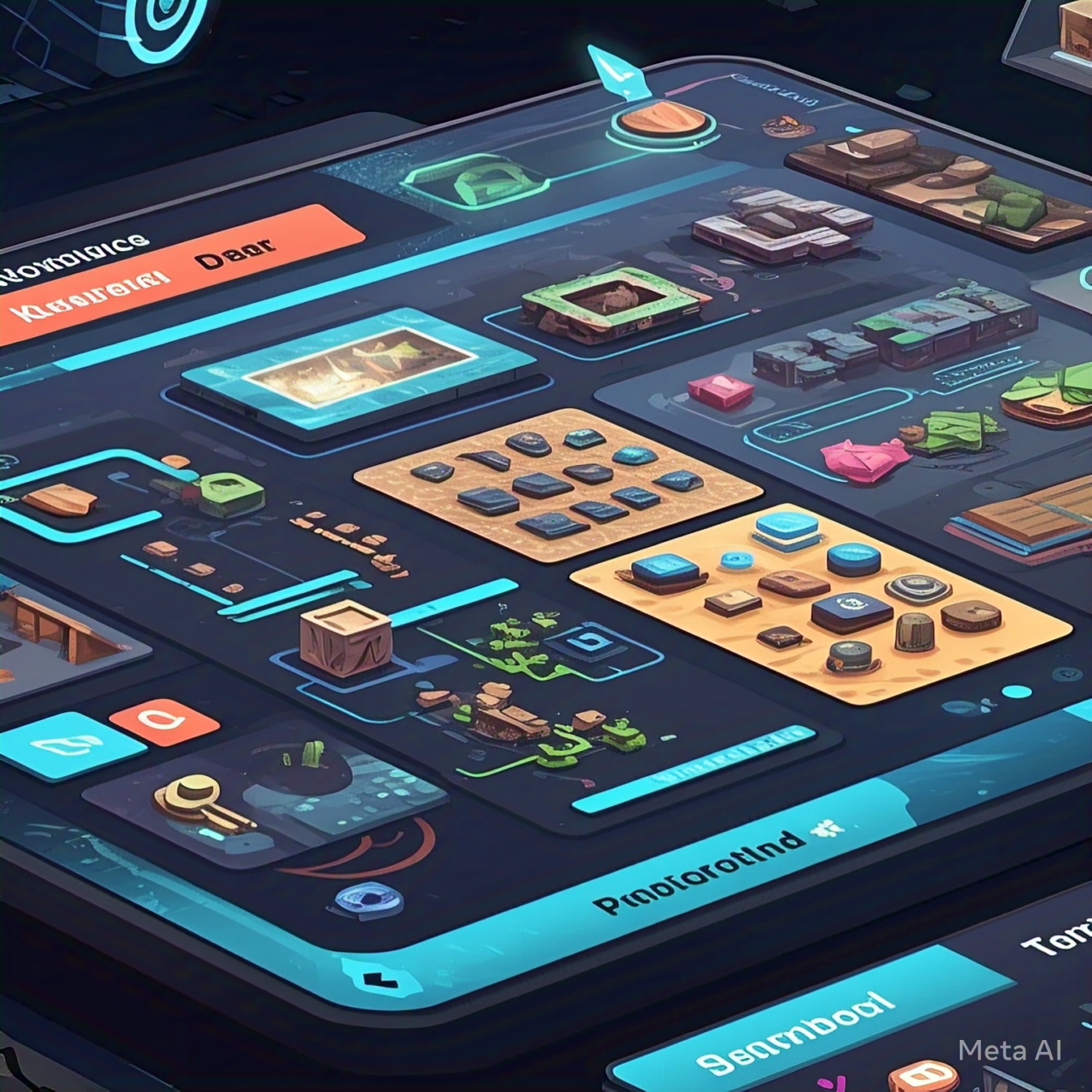
1. Definition of a Game Monetization Platform
A Game Monetization Platform is a digital platform that enables game developers to integrate various revenue-generating methods into their games. These methods may include in-game purchases, ads, subscription services, and more. The platform typically offers tools, analytics, and resources to optimize monetization strategies and maximize revenue.
2. Types of Monetization Methods
- In-App Purchases (IAP): Allows players to buy virtual items, skins, characters, or other enhancements in exchange for real money. Common in mobile games and freemium games.
- Ads (Ad-Based Monetization): Shows ads within games (e.g., banner ads, video ads, interstitial ads, rewarded video ads) to generate revenue. Players might watch ads to earn rewards or benefit from extra content.
- Subscriptions: Offers players exclusive access to premium content or services on a recurring basis. Examples include battle passes, VIP memberships, or subscription-based services like Xbox Game Pass.
- Microtransactions: Similar to in-app purchases, but on a smaller scale. Players can buy small, incremental content like virtual currency or minor cosmetic items.
- Sponsorships and Partnerships: Teams or game developers can partner with brands to display logos or incorporate the brand into in-game content (e.g., branded skins, merchandise).
- Crowdfunding: Use platforms like Kickstarter or Patreon to fund game development through pre-purchases or donations from fans.
3. Core Features of a Game Monetization Platform
- SDK Integration: Provide an easy-to-use SDK (Software Development Kit) that developers can integrate into their games to enable different monetization methods like ads, in-app purchases, or subscriptions.
- Revenue Analytics: Offer analytics tools that help developers track their earnings, analyze player spending behavior, and optimize monetization strategies.
- Payment Gateways: Integrate with various payment systems to process real money transactions smoothly. Popular gateways include PayPal, Stripe, and Google Play Billing.
- Ad Network Integration: Integrate with multiple ad networks like Google AdMob, Unity Ads, or Facebook Audience Network for ad-based revenue generation.
- User Segmentation: Provide tools to segment users based on behavior, preferences, and spending patterns, allowing developers to target high-value users with customized offers.
- A/B Testing: Enable A/B testing for different monetization strategies (e.g., pricing models, ad placements) to identify the most effective options.
- Compliance with Regulations: Ensure that the platform complies with laws such as GDPR (General Data Protection Regulation) or COPPA (Children’s Online Privacy Protection Act), especially when dealing with minors or sensitive data.
4. Revenue Models for a Game Monetization Platform
- Revenue Sharing: Charge a percentage of the revenue generated through the platform, such as a cut from in-app purchases or ad revenue. For example, platforms like the App Store or Google Play take around 30% of each transaction.
- Subscription Fees: Offer a subscription-based service to developers, providing them with premium features like advanced analytics, priority support, or exclusive monetization tools.
- Freemium Model: Offer basic monetization tools for free, but charge for advanced features like custom analytics, integration support, or additional monetization options.
- Pay-per-Action: Charge developers a fee for each ad impression, click, or transaction made within the game. This model is common in ad-based monetization platforms.
- Licensing: License the platform to larger game studios or publishers who may need custom solutions or more sophisticated monetization options for their portfolio.
5. Creating the Platform: Technical Considerations
- Backend Development: Develop a robust backend infrastructure capable of handling millions of transactions and user data securely. Cloud solutions like AWS, Google Cloud, or Microsoft Azure are often used.
- Integration APIs: Provide APIs that allow game developers to seamlessly integrate various monetization strategies (e.g., ad services, payment processing) into their games.
- Mobile & Web Support: Ensure that the platform supports both mobile games (Android and iOS) as well as PC or web-based games (Steam, web browsers).
- User Interface (UI): Create an intuitive and developer-friendly dashboard where game creators can manage their monetization strategies, view earnings, and access resources.
- Fraud Protection: Implement fraud prevention systems to protect both developers and players from fraudulent transactions, such as chargebacks or fake purchases.
6. Marketing and Attracting Game Developers
- Target Developers: Reach out to independent developers, mid-sized studios, and even large game publishers who need tools to better monetize their games.
- Tutorials and Resources: Provide educational resources, tutorials, and webinars on how developers can maximize their game’s revenue using your platform.
- Partnerships with Game Stores: Collaborate with game distribution platforms (e.g., Steam, Epic Games Store) to promote your monetization solutions.
- Community Building: Establish a community where game developers can share their experiences, ask questions, and help each other. Platforms like Discord or Slack can be used for this purpose.
- Influencer Marketing: Partner with game influencers or content creators who can demonstrate the benefits of your platform to a larger audience.
7. Benefits for Game Developers
- Increased Revenue: Offer multiple monetization methods that developers can tailor to their games, increasing the potential for revenue generation.
- Seamless Integration: Provide tools and SDKs that are easy to integrate with existing game development engines like Unity or Unreal Engine.
- Data-Driven Insights: Help developers optimize their monetization strategies with data-backed insights and analytics to increase player spending and retention.
- Customizable Monetization: Allow developers to choose the best monetization strategies based on the type of game they are building, whether it’s a mobile game or a console game.
- Global Reach: Help developers access a global market through built-in payment gateways and ad networks that support a wide range of currencies and regions.
8. Challenges in Game Monetization
- User Experience: Finding the balance between monetization and gameplay experience is crucial. Aggressive ads or expensive in-app purchases may harm user retention.
- Ad Fatigue: Over-reliance on ads can lead to player fatigue, causing them to abandon the game or install ad blockers.
- Regulation Compliance: The platform must comply with various laws and regulations, including those related to data protection, financial transactions, and age restrictions.
- Market Competition: There are many platforms offering game monetization services, so differentiation through unique features, excellent customer support, or better revenue-sharing models is key to success.
9. Scalability and Growth
- Scaling Operations: As the platform gains more users and developers, scale your infrastructure to handle increased demand, ensuring minimal downtime and fast transaction processing.
- Adding New Monetization Models: Stay updated with emerging trends in the gaming industry (e.g., NFTs, blockchain gaming) and integrate new monetization models to stay ahead of competitors.
- Global Expansion: Expand your platform to cater to international developers by offering support for multiple languages, currencies, and regional payment methods.
10. Conclusion
A Game Monetization Platform provides game developers with the necessary tools and resources to generate revenue from their games. By offering multiple monetization options, such as in-app purchases, ads, and subscriptions, along with robust analytics and easy integration, the platform can empower developers to maximize their earnings while maintaining a great user experience. With the right business model, marketing strategies, and technical infrastructure, a game monetization platform can become an essential tool for the growing gaming industry.