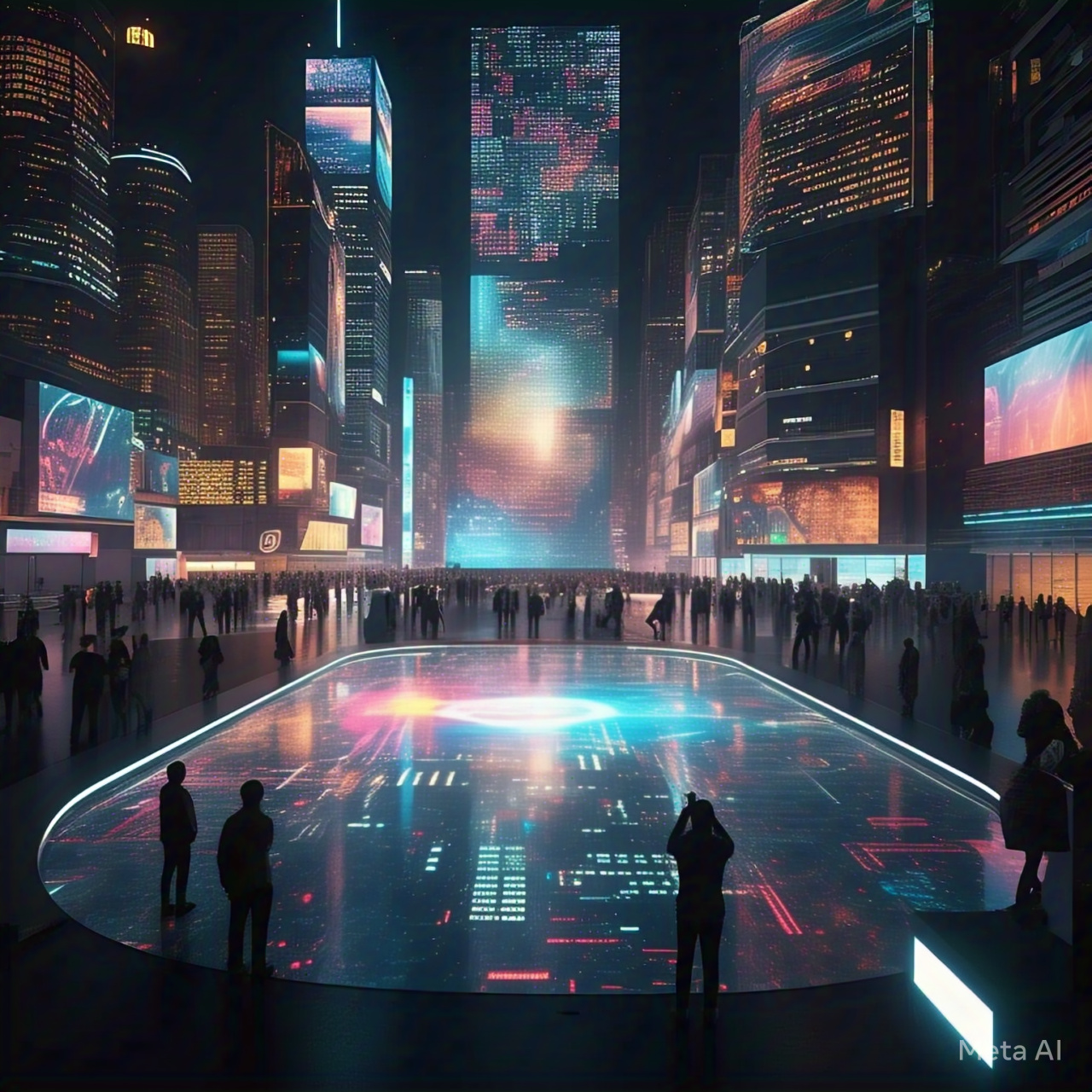
Tech-based artistic expressions blend traditional art with modern technology.
They include digital art, interactive installations, virtual reality, AI-driven creations, and more.
Cultural Impact:
They challenge traditional boundaries of art and redefine creativity.
Artists use technology as a medium to express ideas, emotions, and social commentary.
2. Evolution of Technology in Art
Historical Context:
Early experimentation with photography, film, and electronic music paved the way for digital art.
The integration of computers in the 1960s led to the birth of algorithmic and generative art.
Technological Advancements:
Advancements in computing power, graphics, and connectivity have broadened artistic possibilities.
Tools such as graphic design software, digital canvases, and virtual platforms have become essential.
3. Digital Art
Digital Painting & Illustration:
Artists use software like Adobe Photoshop and Corel Painter to create works that mimic traditional media.
Digital art offers easy modification, layering, and integration of multiple media.
Photography & Photo Manipulation:
Digital cameras and editing software allow for innovative manipulation of images.
Photomontages and surreal compositions have become popular genres.
Graphic Design & Animation:
Digital tools enable the creation of logos, branding, and motion graphics that influence visual culture.
Animations and visual effects are used in both art installations and commercial media.
4. Interactive & Immersive Art
Interactive Installations:
Installations where viewers become participants through sensors, touch screens, or motion tracking.
Use of microcontrollers (e.g., Arduino) and programming for responsive art.
Virtual Reality (VR) & Augmented Reality (AR):
VR art immerses users in a completely virtual environment, transforming the art-viewing experience.
AR overlays digital information on the physical world, enhancing traditional exhibitions.
Participatory Projects:
Collaborative art projects that involve audience interaction, often powered by social media and mobile technology.
5. AI & Generative Art
Generative Algorithms:
Artists use algorithms to generate visual patterns, music, and poetry that evolve over time.
Software like Processing and p5.js enables experimentation with generative processes.
Machine Learning in Art:
AI tools such as neural networks and GANs (Generative Adversarial Networks) create unique artworks by learning from datasets.
These methods can produce unpredictable, innovative outcomes, challenging notions of authorship.
Customization & Personalization:
AI-driven art can adapt to individual preferences, creating personalized art experiences.
6. Multimedia & Cross-Disciplinary Expressions
Blending Art Forms:
Tech-based art often merges visual art, music, performance, and literature into a single immersive experience.
Multimedia installations use projections, sound, and interactive elements to engage multiple senses.
Digital Storytelling:
Interactive narratives and virtual exhibitions offer new ways to tell stories and convey historical, social, or cultural messages.
Web-based platforms allow artists to share interactive stories globally.
7. Impact on Traditional Art Forms
New Mediums for Expression:
Technology has expanded the artist’s toolkit, enabling new forms of creativity that were previously impossible.
Traditional art forms such as painting, sculpture, and photography are being reinterpreted through digital enhancements.
Democratization of Art:
Digital platforms and social media provide artists with direct access to global audiences, bypassing conventional galleries and institutions.
Challenges to Conventional Norms:
The digital format raises questions about the nature of art, authenticity, and the artist’s role in creation.
8. Contemporary Examples & Trends
NFTs (Non-Fungible Tokens):
Digital artworks are now sold as NFTs, providing a new model for art ownership and monetization.
This trend has sparked debates on value, provenance, and sustainability in art markets.
Public Installations & Festivals:
Festivals like Ars Electronica and SIGGRAPH showcase cutting-edge tech-based art to international audiences.
Urban art installations incorporate projections and interactive elements in public spaces.
Collaboration Between Artists & Technologists:
Cross-disciplinary partnerships bring together creative vision and technical expertise, leading to groundbreaking projects.
9. Challenges & Criticisms
Technological Dependency:
Heavy reliance on technology can risk overshadowing artistic expression and originality.
Rapid changes in technology may render some art forms obsolete or less accessible.
Digital Divide:
Access to high-end technology remains uneven, potentially limiting participation to well-funded artists and institutions.
Ethical Considerations:
The use of AI raises questions about authorship, originality, and intellectual property rights.
The environmental impact of digital art (e.g., energy consumption in blockchain-based NFTs) is also a concern.
10. Future Prospects
Integration of Emerging Technologies:
As VR, AR, AI, and IoT continue to evolve, new forms of art will emerge, offering even more immersive experiences.
The line between creator and audience may continue to blur as interactive technologies advance.
Global Collaboration & Accessibility:
Increased internet penetration and digital platforms will further democratize art, fostering global collaboration.
Virtual galleries and online art fairs will expand access to diverse artistic expressions.
Sustainable Practices:
As awareness of environmental impacts grows, artists and technologists are exploring sustainable practices and energy-efficient solutions.
11. Conclusion
Tech-based artistic expressions represent a dynamic fusion of creativity and innovation.
They challenge traditional definitions of art while opening new avenues for expression, interaction, and community engagement.
Despite challenges such as technological dependency and ethical concerns, the future of tech-based art is promising, with continual advancements likely to inspire even more transformative work.