카테고리 없음
Mobile tower
mynote8209
2024. 12. 23. 16:20
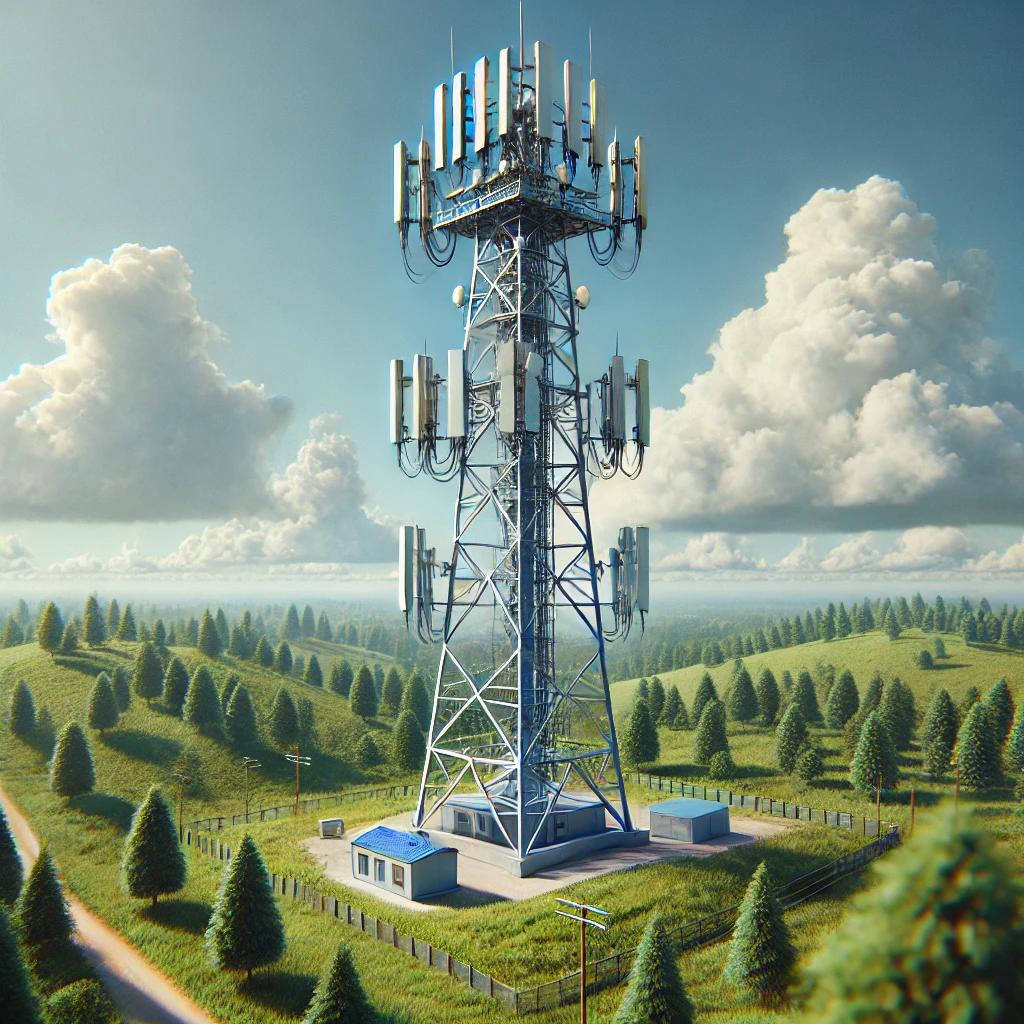
A mobile tower, also known as a cellular tower or base station, is a structure designed to support antennas and communication equipment for providing wireless communication services like mobile phone networks, internet, and IoT connectivity. These towers are crucial for ensuring reliable signal coverage and seamless communication in their service areas.
Components of a Mobile Tower
- Antenna Systems
- Transmit and receive radio signals to and from mobile devices.
- Installed at various heights to maximize coverage.
- Base Transceiver Station (BTS)
- The heart of the tower, it processes and transmits data or voice between the antenna and the telecom network.
- Power Supply
- Includes primary power sources and backup systems like batteries or diesel generators to ensure uninterrupted service.
- Tower Structure
- Framework that elevates the antennas for maximum signal range.
- Types include lattice towers, monopole towers, guyed towers, and camouflaged towers.
- Backhaul Links
- Microwave dishes or fiber optic connections link the tower to the core telecom network.
Types of Mobile Towers
- Lattice Towers
- A freestanding framework with high stability.
- Used for heavy antennas in rural or open areas.
- Monopole Towers
- A single-pole design suitable for urban areas due to their compact footprint.
- Guyed Towers
- Tall and supported by guy wires for added stability.
- Often used in remote or rural locations.
- Camouflaged Towers
- Disguised as trees, poles, or buildings to blend with the environment.
- Used in urban or environmentally sensitive areas.
Functions of Mobile Towers
- Network Coverage
- Enable voice calls, text messages, and internet connectivity in their service areas.
- Signal Handoff
- Allow seamless transitions for mobile users moving between coverage zones.
- Capacity Management
- Handle data and call traffic efficiently for multiple users simultaneously.
Mobile Tower Installation Requirements
- Location
- Should be in strategic areas to maximize coverage.
- Permission and Compliance
- Requires regulatory approvals, including safety and environmental clearances.
- Power Supply
- Must have reliable energy sources and backup systems.
- Height and Range
- Towers are typically built high to cover larger areas and reduce interference.
Concerns and Challenges
- Health Concerns
- Debate about electromagnetic radiation effects; however, studies generally show compliance with safety standards.
- Aesthetic Impact
- Towers can affect the visual appeal of urban or rural landscapes.
- Environmental Effects
- Tower construction may impact local ecosystems, especially in sensitive areas.