카테고리 없음
Tech-Based Artistic Expressions
mynote8209
2025. 1. 1. 16:24
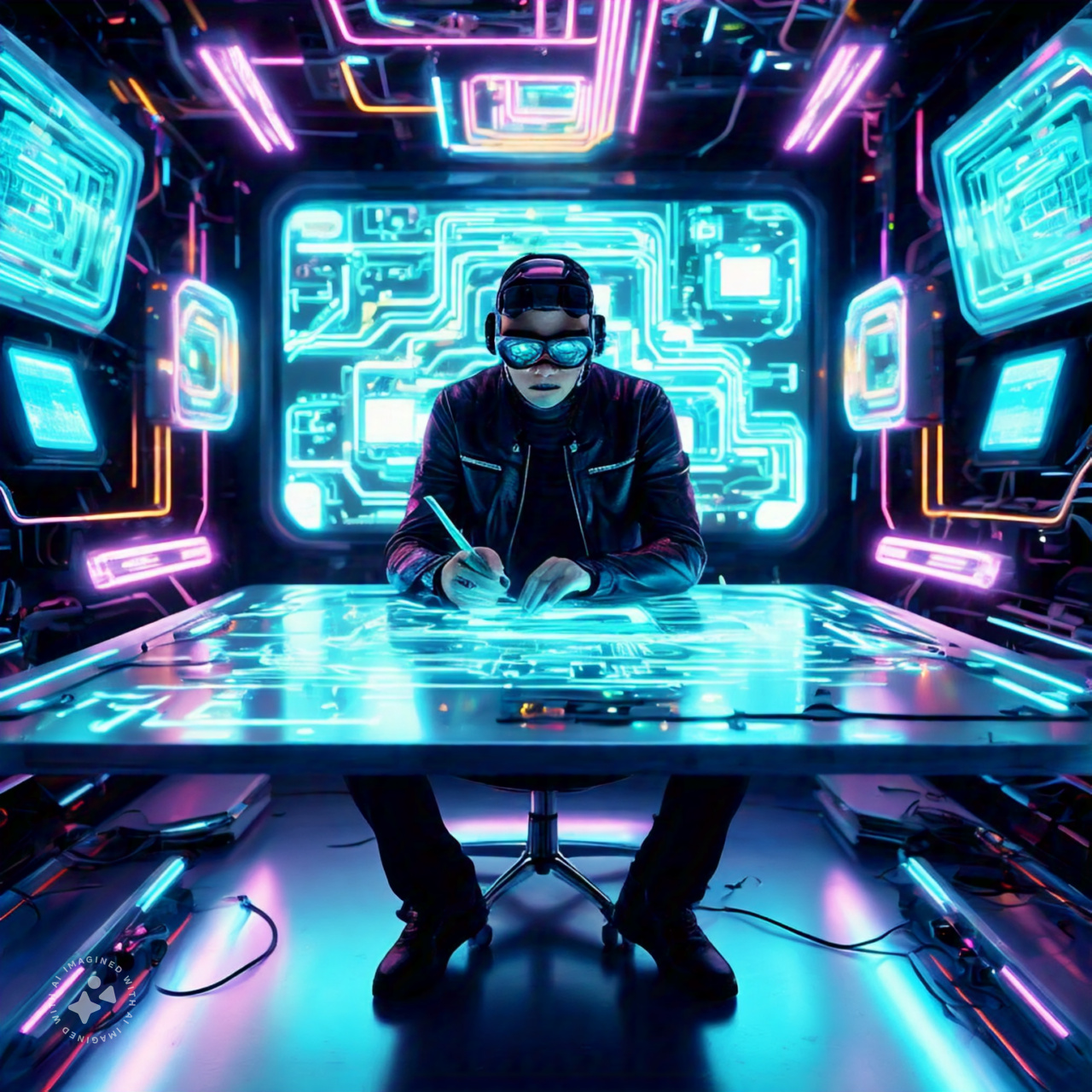
Tech-based artistic expressions blend creativity and technology, creating innovative and interactive experiences that redefine traditional art forms. These works often leverage tools such as artificial intelligence, augmented and virtual reality, generative algorithms, and more. Below are the main forms and trends in tech-based artistic expressions:
1. Generative Art
- Description: Art created using algorithms, often with elements of randomness or computational design.
- Tools: Processing, p5.js, TouchDesigner, and Python libraries like Turtle or Matplotlib.
- Notable Examples:
- AI-generated paintings using tools like DALL·E or MidJourney.
- Dynamic, evolving visuals in response to real-time data.
- Applications:
- NFTs: Platforms like Art Blocks host generative NFT projects.
- Custom installations for galleries or live performances.
2. Virtual Reality (VR) Art
- Description: Fully immersive art experiences where users can interact with or explore virtual spaces.
- Tools: Tilt Brush (by Google), Gravity Sketch, Quill by Meta.
- Notable Examples:
- VR Galleries: Showcasing digital art in virtual museums.
- Interactive Stories: Users participate in storytelling through a VR environment.
- Applications:
- Entertainment and storytelling.
- Therapeutic use for relaxation or exposure therapy.
3. Augmented Reality (AR) Art
- Description: Overlays of digital visuals or animations in the real world, viewed through devices like smartphones or AR glasses.
- Tools: Spark AR, Adobe Aero, Unity (ARKit/ARCore integration).
- Notable Examples:
- AR murals or street art that animate through an app.
- Interactive museum exhibits.
- Applications:
- Marketing and branding campaigns.
- Public art installations.
4. AI-Driven Creativity
- Description: Use of machine learning models to generate music, art, writing, and more.
- Tools: DALL·E, Runway ML, OpenAI’s ChatGPT, DeepDream.
- Notable Examples:
- AI-created music tracks or lyrics.
- Collaborative AI-human art exhibitions.
- Applications:
- Customized artwork for commercial or personal use.
- Exploring the boundaries of human-machine collaboration.
5. Data Visualization as Art
- Description: Transforming complex datasets into visually stunning and informative pieces.
- Tools: Tableau, Processing, D3.js, TouchDesigner.
- Notable Examples:
- Climate change visualizations using real-time data.
- Interactive displays in museums and public spaces.
- Applications:
- Informative art for education.
- Advocacy through visually compelling stories.
6. Interactive Installations
- Description: Physical or digital spaces where the audience can interact with the art to change or influence it.
- Tools: Arduino, Raspberry Pi, sensors, and Unity.
- Notable Examples:
- Reactive light displays that change with movement or sound.
- Collaborative murals where users "paint" using a digital interface.
- Applications:
- Large-scale events or festivals (e.g., Burning Man).
- Permanent museum exhibits.
7. Digital Performance Art
- Description: Combining live performance with digital enhancements like projection mapping, holograms, or VR.
- Tools: TouchDesigner, Isadora, MadMapper.
- Notable Examples:
- Projection mapping on dancers or sets to create immersive performances.
- Holographic performers, such as the late Tupac Shakur’s hologram at Coachella.
- Applications:
- Theater and concerts.
- Experimental storytelling.
8. Bio-Art and Wearable Technology
- Description: Integrating biology and technology into artistic expressions.
- Tools: Biotechnology, 3D printing, and wearable sensors.
- Notable Examples:
- Wearable devices that react to emotions or physiological data.
- Living sculptures using genetic engineering or microbiology.
- Applications:
- Fashion tech showcases.
- Advocacy around bioethics and environmental issues.
9. Immersive Multimedia Experiences
- Description: Combining multiple technologies (audio, visual, tactile) to create fully immersive environments.
- Tools: Unreal Engine, Unity, projection mapping, haptic feedback devices.
- Notable Examples:
- teamLab Borderless: An interactive museum in Tokyo.
- Immersive Van Gogh exhibitions with projection mapping.
- Applications:
- Tourism and educational experiences.
- Therapeutic environments for mental health.
10. Blockchain and NFT Art
- Description: Digital art tied to blockchain technology, ensuring authenticity and provenance.
- Platforms: OpenSea, Foundation, Rarible.
- Notable Examples:
- Beeple’s $69 million NFT artwork.
- CryptoPunks and Bored Ape Yacht Club.
- Applications:
- Supporting independent artists through decentralized sales.
- Innovative ownership models in digital art.
11. Robotic Art
- Description: Using robotics to create dynamic, kinetic sculptures or performances.
- Tools: Arduino, robotic arms, 3D printers.
- Notable Examples:
- Sculptures that move or evolve over time.
- Performances with robotic dancers or actors.
- Applications:
- Exploring themes of automation and humanity.
- Entertainment and experiential marketing.
12. Sound and Music Innovations
- Description: Combining technology with music composition and sound design.
- Tools: Ableton Live, Max/MSP, modular synthesizers.
- Notable Examples:
- AI-generated music adapted in real-time to listener preferences.
- 3D soundscapes that envelop audiences in concerts or installations.
- Applications:
- Film and gaming soundtracks.
- Experimental concerts and sound art.