Mobile tower
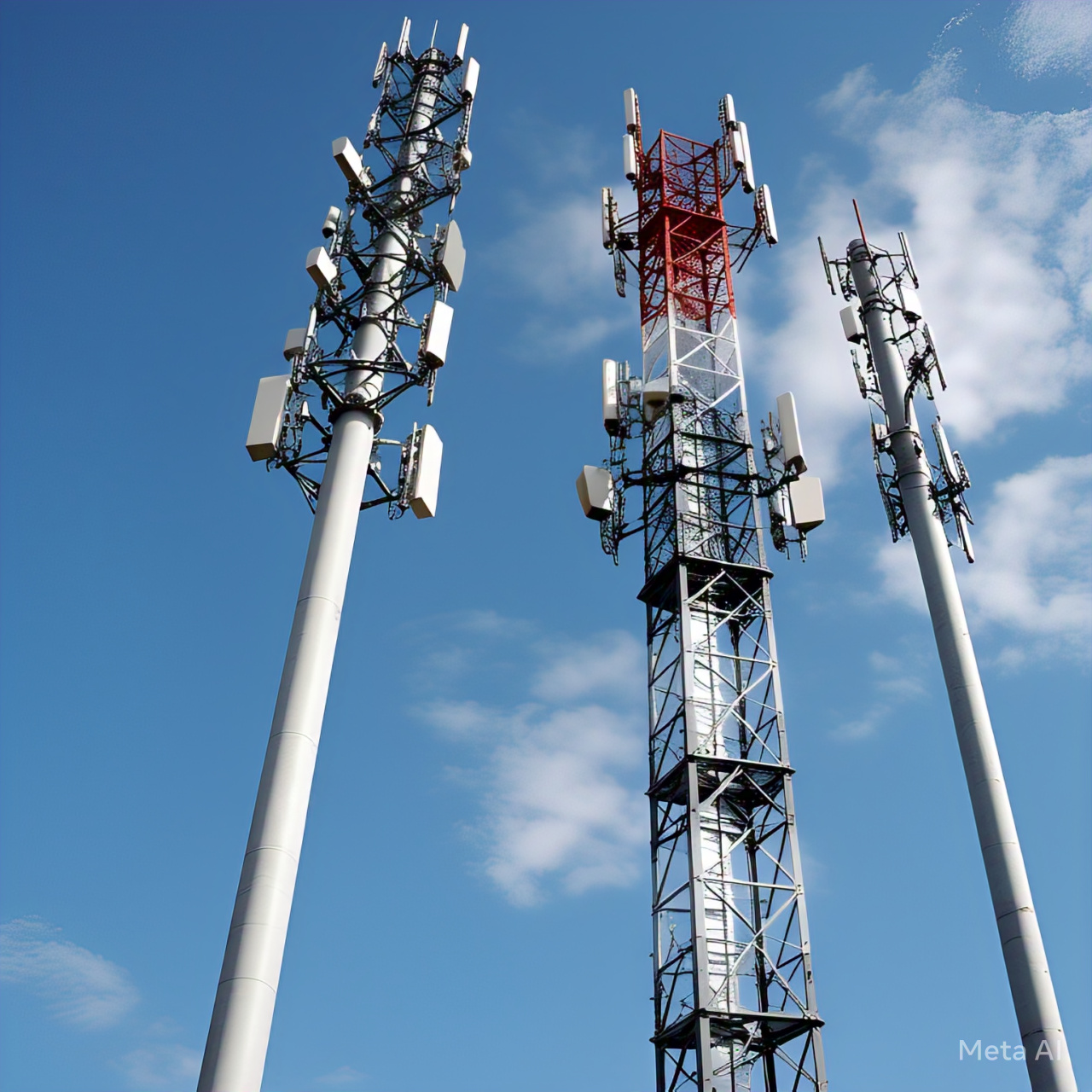
A mobile tower refers to a portable, freestanding structure designed to support equipment such as communication devices, antennas, or surveillance cameras. These towers are commonly used in industries like telecommunications, broadcasting, military, and emergency services. They are designed to be mobile, meaning they can be easily transported and set up in different locations, providing temporary or semi-permanent solutions for communications, broadcasting, or other purposes.
Types of Mobile Towers
Telecommunication Mobile Towers
These are mobile communication towers used by mobile service providers, radio stations, or other communication networks. They support antennas, transmitters, and other communication equipment, enabling the transmission of signals in areas where permanent infrastructure is not available. These towers can be used for cellular, satellite, or radio communications.
Broadcasting Mobile Towers
Broadcasting towers are similar to communication towers but are focused on broadcasting television or radio signals. These mobile towers can be moved to remote locations for live event coverage or broadcasting in areas lacking broadcasting infrastructure.
Surveillance Mobile Towers
These towers are used for temporary surveillance or monitoring of specific areas. They can be equipped with cameras, sensors, and other surveillance tools to monitor traffic, crowd activity, or other security concerns, especially in large outdoor events, border control, or disaster zones.
Mobile Lighting Towers
Often used in construction sites, large outdoor events, or emergency scenarios, these towers are equipped with high-intensity lighting to illuminate large areas. These are also portable, allowing easy transport and setup.
Design and Features of Mobile Towers
Portability and Transportability
Mobile towers are designed to be lightweight and easily transported. They often come on trailers or as compact units that can be pulled by vehicles. This makes them ideal for temporary installations and situations where quick deployment is necessary.
Height and Stability
Mobile towers are adjustable in height, allowing for different configurations based on the needs of the project. They can be raised and lowered using hydraulic systems or manual winches, making them flexible for a range of tasks. Stability is a key consideration, with mobile towers often featuring outriggers or stabilizing legs to ensure they remain firmly grounded during use.
Materials
Mobile towers are often made of durable materials like steel or aluminium to ensure strength and reliability while remaining lightweight enough for portability. Steel offers strength and durability, while aluminium provides a more lightweight solution, especially for smaller towers.
Power Supply
Mobile towers are often equipped with their own power supply, usually through a generator, allowing them to operate in remote locations without relying on external electricity sources. Some towers may also be equipped with solar panels to provide eco-friendly power.
Modular Design
Some mobile towers are designed with modular components, allowing for easy assembly and disassembly. This feature makes it easier to transport, set up, and relocate the tower depending on the specific needs of the site.
Safety Features
Mobile towers come equipped with various safety features, such as fall protection systems, secure ladders, and guardrails, especially when used for high-altitude work. Anti-slip steps and proper grounding are also critical for ensuring safe operation.
Applications of Mobile Towers
Telecommunication and Cellular Networks
Mobile towers are often used in the telecommunications industry to provide temporary network coverage in remote or underserved areas. They help boost signal strength for mobile phones, especially during events, natural disasters, or areas where permanent infrastructure isn’t feasible.
Broadcasting and Media
Broadcasting companies use mobile towers to provide live coverage of events or broadcast signals from remote locations. These mobile towers can support broadcasting equipment like satellite dishes, microphones, and cameras.
Surveillance and Security
Mobile surveillance towers are used by law enforcement, military, or private security firms for monitoring and surveillance in remote or large outdoor spaces. They can be equipped with CCTV cameras, thermal imaging, and radar systems to provide real-time monitoring.
Construction and Infrastructure
In the construction industry, mobile towers are used for a variety of purposes, including temporary communication equipment, surveillance, or lighting. These towers provide high visibility and security, ensuring the safety of construction sites.
Disaster Relief and Emergency Response
During natural disasters or emergency situations, mobile towers can provide essential communication support, especially in areas where infrastructure has been damaged. They can be quickly deployed to help establish temporary communication links for rescue teams, survivors, or aid distribution.
Event Management
Mobile towers are often used in large outdoor events like concerts, festivals, or sporting events. They provide temporary infrastructure for communication, lighting, and surveillance to manage large crowds and ensure the smooth operation of the event.
Advantages of Mobile Towers
Flexibility
The ability to transport and deploy mobile towers quickly makes them ideal for temporary installations and changing operational needs. Whether for communication, broadcasting, or security, they offer flexibility in a variety of settings.
Rapid Deployment
Mobile towers are designed for easy and quick setup, making them an excellent choice for time-sensitive operations, such as disaster response or live event broadcasting.
Cost-Effective
By providing a temporary solution, mobile towers allow companies and organizations to avoid the high costs associated with permanent infrastructure, particularly in areas where a long-term setup is not required.
Remote Access
Mobile towers can be deployed in remote or hard-to-reach areas, providing vital services like communication, security, and lighting where permanent infrastructure may be impractical or unavailable.
Conclusion
Mobile towers are versatile and essential tools in a range of industries, from telecommunications and broadcasting to security and construction. Their portability, ease of setup, and ability to support various types of equipment make them invaluable for both temporary and long-term applications. Whether for emergency response, outdoor events, or surveillance, mobile towers provide an efficient and reliable solution for a wide array of needs.