카테고리 없음
Aluminium scaffolding
mynote8209
2025. 1. 18. 16:54
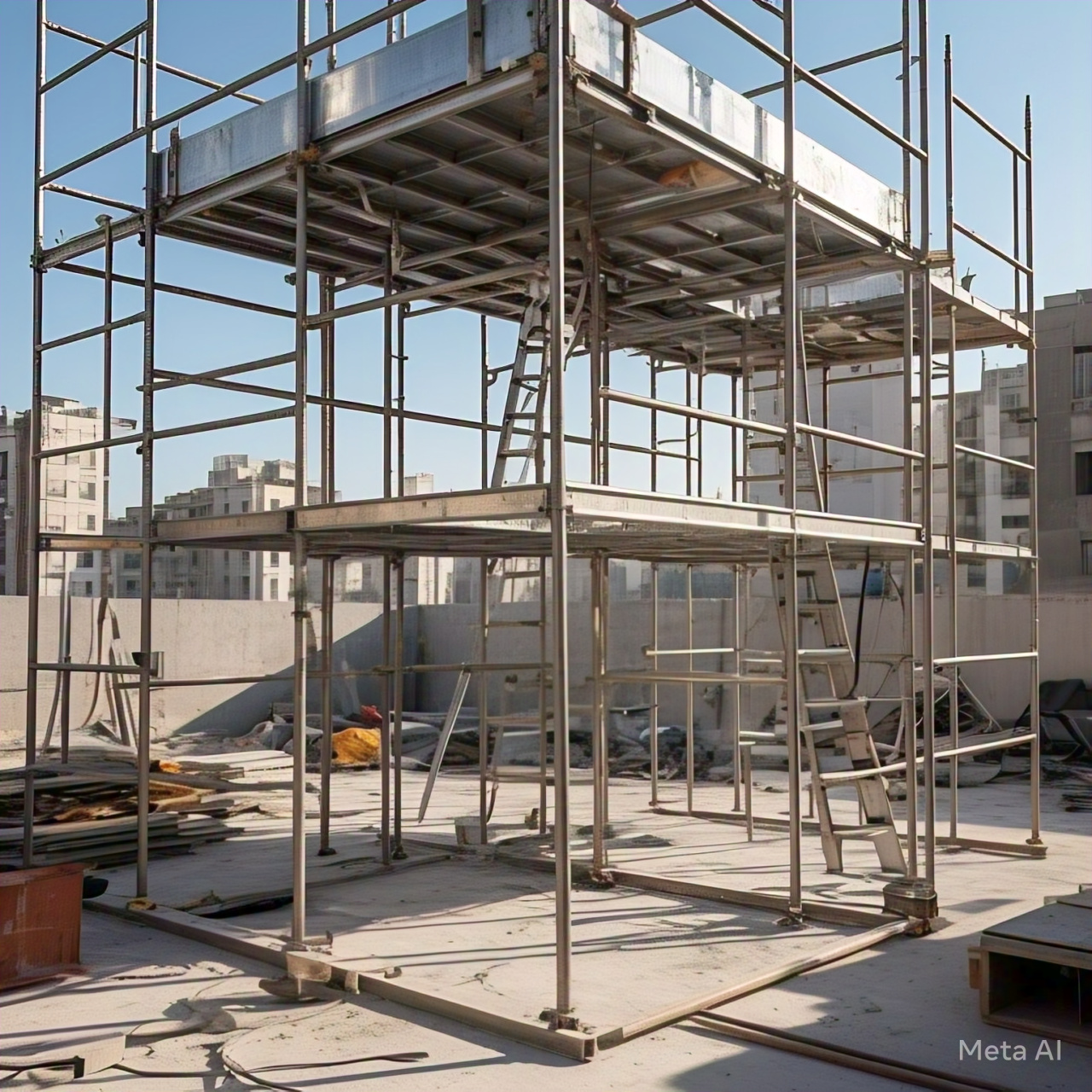
1. Introduction to Aluminium Scaffolding
- Aluminium scaffolding is a temporary structure made from lightweight aluminum materials, designed for workers to perform tasks at height, such as construction, repairs, or maintenance.
- It is a modern alternative to traditional steel scaffolding, offering enhanced mobility, corrosion resistance, and ease of assembly.
2. Features of Aluminium Scaffolding
- Lightweight:
- Aluminium is significantly lighter than steel, making the scaffolding easy to transport and assemble.
- Durable:
- Despite being lightweight, it is strong and can support significant loads.
- Rust-Proof:
- Aluminium’s natural resistance to corrosion makes it ideal for outdoor use.
- Modular Design:
- Easy to assemble and disassemble due to its modular components.
- Compact and Portable:
- Foldable and stackable parts allow for convenient storage and mobility.
3. Types of Aluminium Scaffolding
- Mobile Aluminium Scaffolding:
- Equipped with wheels for easy movement, suitable for tasks requiring frequent repositioning.
- Foldable Aluminium Scaffolding:
- Can be folded for easy transport and quick deployment.
- Double-Width Scaffolding:
- Offers a larger platform for multiple workers or heavy equipment.
- Single-Width Scaffolding:
- Narrower frame for use in confined spaces.
- Suspended Aluminium Scaffolding:
- Designed for tasks like painting or cleaning tall buildings, suspended by ropes or cables.
4. Applications of Aluminium Scaffolding
- Construction:
- Used for tasks such as bricklaying, painting, and plastering.
- Maintenance and Repairs:
- Ideal for repairing ceilings, walls, or industrial equipment.
- Event Management:
- Used for setting up lighting, sound systems, or stage decorations.
- Cleaning:
- Employed for window cleaning and façade maintenance of tall buildings.
- Industrial Use:
- Utilized in warehouses and factories for inventory management or equipment inspection.
5. Advantages of Aluminium Scaffolding
- Lightweight and Easy to Handle:
- Reduces labor effort and speeds up assembly.
- Corrosion-Resistant:
- Long-lasting in outdoor conditions, even in humid or rainy environments.
- Quick Assembly and Disassembly:
- Saves time on construction sites or temporary projects.
- Cost-Effective:
- Durable and reusable, reducing long-term costs.
- Safe to Use:
- Designed with safety features like non-slip platforms and guardrails.
- Environmentally Friendly:
- Aluminium is recyclable, making it a sustainable choice.
6. Safety Features of Aluminium Scaffolding
- Guardrails and Toe Boards:
- Prevent workers and tools from falling off the platform.
- Non-Slip Platforms:
- Ensure stability even in wet conditions.
- Adjustable Heights:
- Scaffolding can be adjusted to suit different working levels.
- Lockable Wheels:
- Wheels on mobile scaffolding can be locked to prevent movement during use.
- Load Capacity:
- Engineered to bear specific weights, ensuring safety during heavy tasks.
7. Maintenance of Aluminium Scaffolding
- Regular Inspections:
- Check for damage, such as cracks or bends, before each use.
- Clean Components:
- Remove dirt, grease, and debris to maintain functionality.
- Store Properly:
- Keep in a dry, covered area to prevent unnecessary wear.
- Tighten Connections:
- Ensure all bolts and joints are secure before use.
8. Comparison with Steel Scaffolding
- Weight:
- Aluminium is lighter and easier to handle than steel.
- Corrosion Resistance:
- Unlike steel, aluminium does not rust, making it better for outdoor use.
- Cost:
- Aluminium scaffolding is initially more expensive but offers long-term savings due to durability.
- Strength:
- Steel is stronger and better for extremely heavy loads, but aluminium is adequate for most tasks.
9. Disadvantages of Aluminium Scaffolding
- Lower Load Capacity:
- Not suitable for extremely heavy-duty tasks compared to steel scaffolding.
- Susceptible to Dents:
- Aluminium is softer than steel and can dent or bend under excessive force.
- Higher Initial Cost:
- Aluminium scaffolding may cost more upfront than steel options.
10. Tips for Choosing Aluminium Scaffolding
- Purpose:
- Consider your specific needs (e.g., mobile scaffolding for frequent movement).
- Height Requirements:
- Ensure the scaffolding can reach the desired height.
- Weight Capacity:
- Check the maximum load it can support, including workers and tools.
- Portability:
- Opt for foldable or mobile options for easier transport.
- Safety Features:
- Look for scaffolding with guardrails, non-slip platforms, and lockable wheels.
11. Conclusion
- Aluminium scaffolding is a versatile, lightweight, and durable solution for various tasks requiring elevated access.
- Its rust-resistant nature, ease of assembly, and portability make it a preferred choice in construction, maintenance, and other industries.
- By ensuring proper maintenance and adhering to safety guidelines, aluminium scaffolding can provide years of reliable and efficient use