카테고리 없음
Tech-Based Artistic Expressions
mynote8209
2025. 3. 18. 16:29
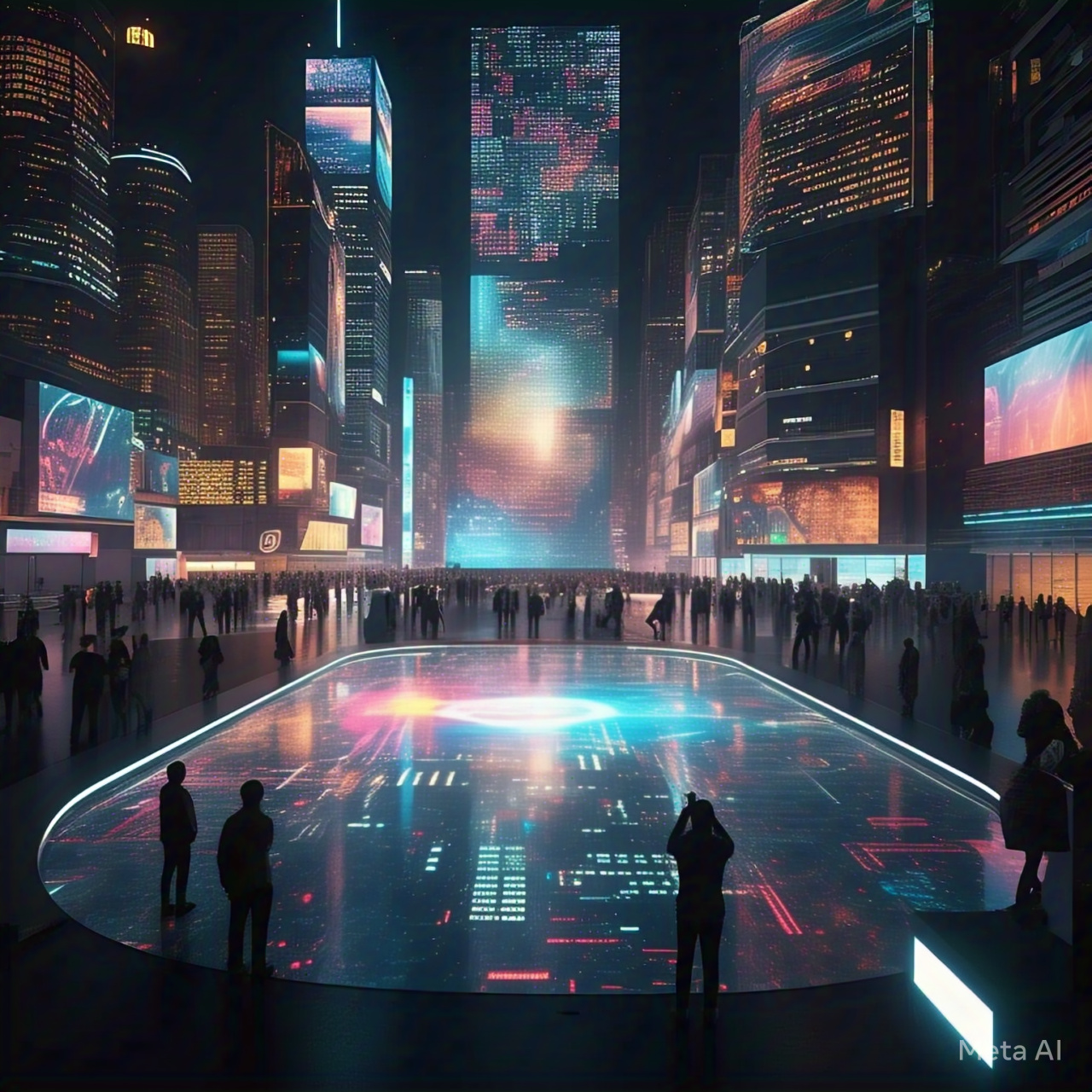
Tech-Based Artistic Expressions
1. Introduction
- Definition & Scope:
- Tech-based artistic expressions blend traditional art with modern technology.
- They include digital art, interactive installations, virtual reality, AI-driven creations, and more.
- Cultural Impact:
- They challenge traditional boundaries of art and redefine creativity.
- Artists use technology as a medium to express ideas, emotions, and social commentary.
2. Evolution of Technology in Art
- Historical Context:
- Early experimentation with photography, film, and electronic music paved the way for digital art.
- The integration of computers in the 1960s led to the birth of algorithmic and generative art.
- Technological Advancements:
- Advancements in computing power, graphics, and connectivity have broadened artistic possibilities.
- Tools such as graphic design software, digital canvases, and virtual platforms have become essential.
3. Digital Art
- Digital Painting & Illustration:
- Artists use software like Adobe Photoshop and Corel Painter to create works that mimic traditional media.
- Digital art offers easy modification, layering, and integration of multiple media.
- Photography & Photo Manipulation:
- Digital cameras and editing software allow for innovative manipulation of images.
- Photomontages and surreal compositions have become popular genres.
- Graphic Design & Animation:
- Digital tools enable the creation of logos, branding, and motion graphics that influence visual culture.
- Animations and visual effects are used in both art installations and commercial media.
4. Interactive & Immersive Art
- Interactive Installations:
- Installations where viewers become participants through sensors, touch screens, or motion tracking.
- Use of microcontrollers (e.g., Arduino) and programming for responsive art.
- Virtual Reality (VR) & Augmented Reality (AR):
- VR art immerses users in a completely virtual environment, transforming the art-viewing experience.
- AR overlays digital information on the physical world, enhancing traditional exhibitions.
- Participatory Projects:
- Collaborative art projects that involve audience interaction, often powered by social media and mobile technology.
5. AI & Generative Art
- Generative Algorithms:
- Artists use algorithms to generate visual patterns, music, and poetry that evolve over time.
- Software like Processing and p5.js enables experimentation with generative processes.
- Machine Learning in Art:
- AI tools such as neural networks and GANs (Generative Adversarial Networks) create unique artworks by learning from datasets.
- These methods can produce unpredictable, innovative outcomes, challenging notions of authorship.
- Customization & Personalization:
- AI-driven art can adapt to individual preferences, creating personalized art experiences.
6. Multimedia & Cross-Disciplinary Expressions
- Blending Art Forms:
- Tech-based art often merges visual art, music, performance, and literature into a single immersive experience.
- Multimedia installations use projections, sound, and interactive elements to engage multiple senses.
- Digital Storytelling:
- Interactive narratives and virtual exhibitions offer new ways to tell stories and convey historical, social, or cultural messages.
- Web-based platforms allow artists to share interactive stories globally.
7. Impact on Traditional Art Forms
- New Mediums for Expression:
- Technology has expanded the artist’s toolkit, enabling new forms of creativity that were previously impossible.
- Traditional art forms such as painting, sculpture, and photography are being reinterpreted through digital enhancements.
- Democratization of Art:
- Digital platforms and social media provide artists with direct access to global audiences, bypassing conventional galleries and institutions.
- Challenges to Conventional Norms:
- The digital format raises questions about the nature of art, authenticity, and the artist’s role in creation.
8. Contemporary Examples & Trends
- NFTs (Non-Fungible Tokens):
- Digital artworks are now sold as NFTs, providing a new model for art ownership and monetization.
- This trend has sparked debates on value, provenance, and sustainability in art markets.
- Public Installations & Festivals:
- Festivals like Ars Electronica and SIGGRAPH showcase cutting-edge tech-based art to international audiences.
- Urban art installations incorporate projections and interactive elements in public spaces.
- Collaboration Between Artists & Technologists:
- Cross-disciplinary partnerships bring together creative vision and technical expertise, leading to groundbreaking projects.
9. Challenges & Criticisms
- Technological Dependency:
- Heavy reliance on technology can risk overshadowing artistic expression and originality.
- Rapid changes in technology may render some art forms obsolete or less accessible.
- Digital Divide:
- Access to high-end technology remains uneven, potentially limiting participation to well-funded artists and institutions.
- Ethical Considerations:
- The use of AI raises questions about authorship, originality, and intellectual property rights.
- The environmental impact of digital art (e.g., energy consumption in blockchain-based NFTs) is also a concern.
10. Future Prospects
- Integration of Emerging Technologies:
- As VR, AR, AI, and IoT continue to evolve, new forms of art will emerge, offering even more immersive experiences.
- The line between creator and audience may continue to blur as interactive technologies advance.
- Global Collaboration & Accessibility:
- Increased internet penetration and digital platforms will further democratize art, fostering global collaboration.
- Virtual galleries and online art fairs will expand access to diverse artistic expressions.
- Sustainable Practices:
- As awareness of environmental impacts grows, artists and technologists are exploring sustainable practices and energy-efficient solutions.
11. Conclusion
- Tech-based artistic expressions represent a dynamic fusion of creativity and innovation.
- They challenge traditional definitions of art while opening new avenues for expression, interaction, and community engagement.
- Despite challenges such as technological dependency and ethical concerns, the future of tech-based art is promising, with continual advancements likely to inspire even more transformative work.