카테고리 없음
Currency Pairs
mynote8209
2025. 5. 10. 14:54
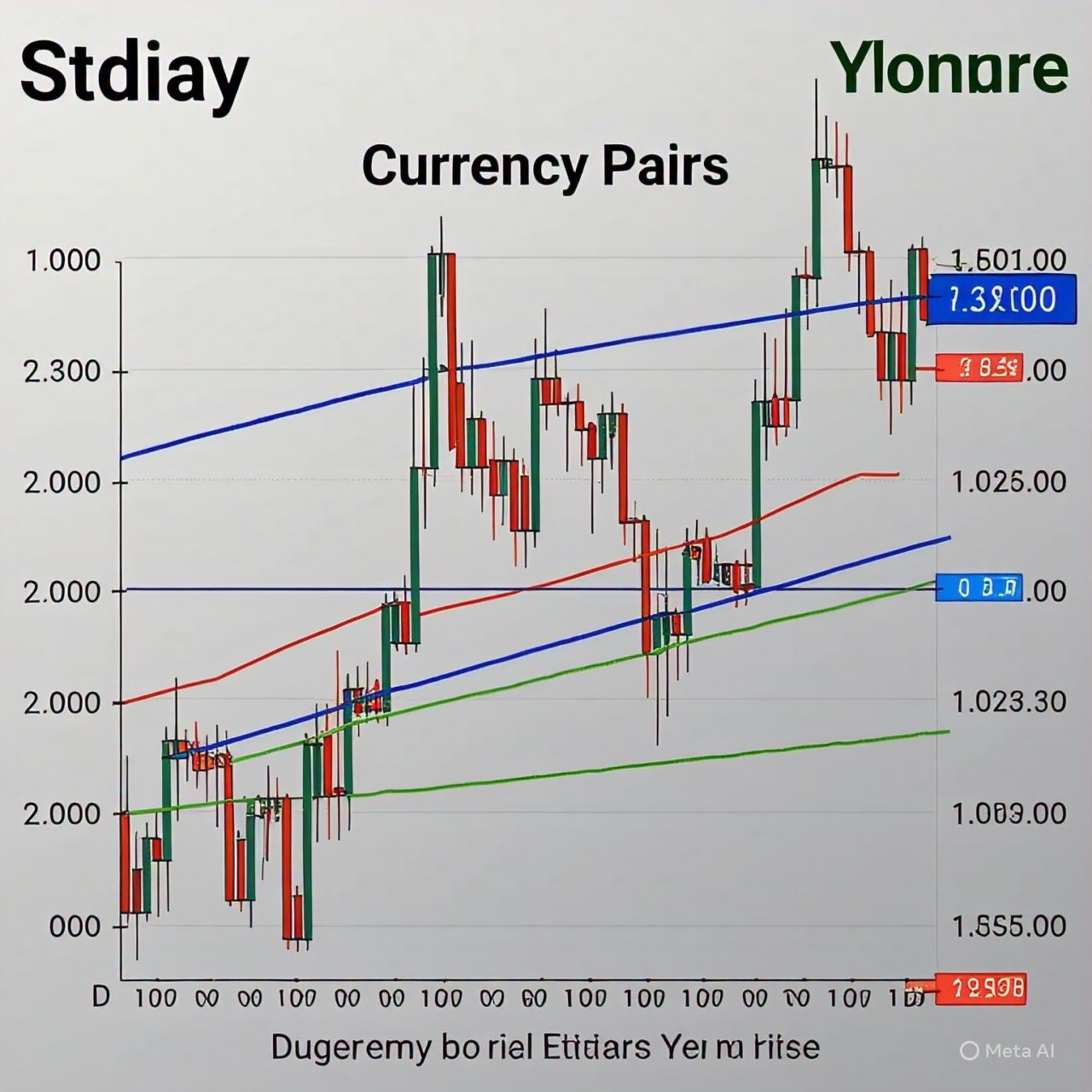
🔹 What Are Currency Pairs?
- In the Forex (Foreign Exchange) market, currencies are traded in pairs, known as currency pairs.
- A currency pair shows how much of one currency (the quote currency) is needed to buy one unit of another currency (the base currency).
- Example: EUR/USD = 1.1000 means 1 Euro = 1.10 US Dollars.
🔹 Structure of a Currency Pair
- Base Currency: The first currency in the pair (e.g., EUR in EUR/USD).
- Quote Currency: The second currency in the pair (e.g., USD in EUR/USD).
- A pair is always quoted like: BASE/QUOTE.
🔹 How Currency Pairs Work
- If you buy a currency pair, you are buying the base currency and selling the quote currency.
- If you sell the pair, you are selling the base currency and buying the quote currency.
- Profit is made by predicting the rise or fall of the base currency relative to the quote currency.
🔹 Categories of Currency Pairs
- Major Pairs
- Most traded pairs globally.
- Always include the US Dollar (USD).
- High liquidity, lower spreads.
- Examples:
- EUR/USD (Euro/US Dollar)
- USD/JPY (US Dollar/Japanese Yen)
- GBP/USD (British Pound/US Dollar)
- USD/CHF (US Dollar/Swiss Franc)
- USD/CAD (US Dollar/Canadian Dollar)
- AUD/USD (Australian Dollar/US Dollar)
- NZD/USD (New Zealand Dollar/US Dollar)
- Minor Pairs (Cross Currency Pairs)
- Do not include USD.
- Slightly less liquid, wider spreads than majors.
- Examples:
- EUR/GBP (Euro/British Pound)
- EUR/JPY (Euro/Japanese Yen)
- GBP/JPY (British Pound/Japanese Yen)
- AUD/NZD (Australian Dollar/New Zealand Dollar)
- Exotic Pairs
- One major currency paired with a developing or emerging market currency.
- Low liquidity, high spreads and volatility.
- Examples:
- USD/TRY (US Dollar/Turkish Lira)
- USD/INR (US Dollar/Indian Rupee)
- EUR/SEK (Euro/Swedish Krona)
- USD/ZAR (US Dollar/South African Rand)
🔹 Factors Affecting Currency Pairs
- Economic Indicators: GDP, inflation, interest rates.
- Political Events: Elections, wars, policy changes.
- Market Sentiment: Trader emotions and global confidence.
- Central Bank Actions: Monetary policy, currency intervention.
🔹 Bid, Ask, and Spread
- Bid Price: The price at which the market (broker) buys the base currency.
- Ask Price: The price at which the market sells the base currency.
- Spread: Difference between bid and ask; represents broker profit and market volatility.
🔹 Volatility in Currency Pairs
- Some pairs move more (are more volatile) than others.
- GBP/JPY and EUR/NZD are known for high volatility.
- EUR/USD and USD/CHF are more stable and preferred by beginners.
🔹 Choosing the Right Currency Pair
- Beginners should start with major pairs due to lower spreads and predictable behavior.
- Advanced traders may use minor and exotic pairs for higher profit potential but with greater risk.
- Always consider volatility, spread size, news impact, and liquidity.
🔹 Conclusion
- Understanding currency pairs is essential for Forex trading success.
- Currency pairs reflect global economic health and offer opportunities for profit 24/5.
- Proper knowledge of currency pair types, behaviors, and influences will help you trade more effectively and confidently.